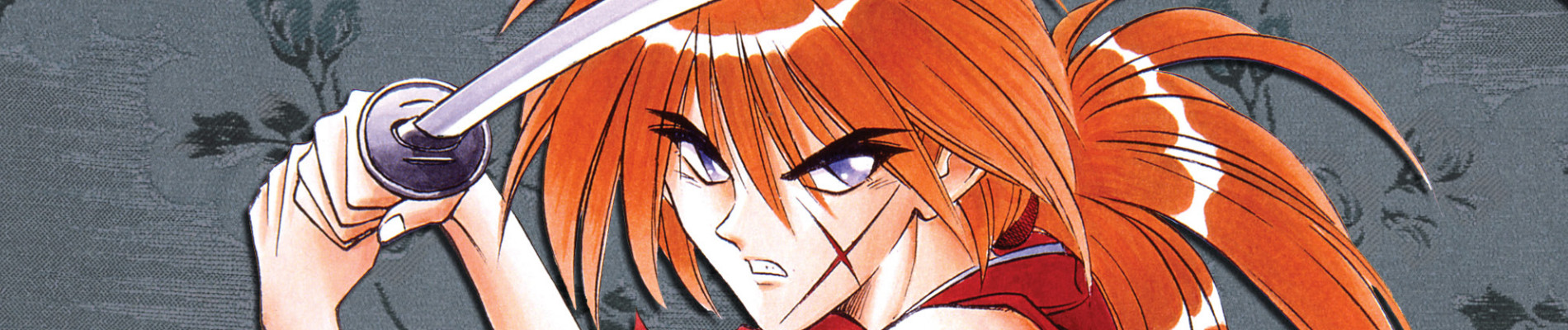
At the end of the shogunate there was a man they called Hitokiri Battosai. When the restoration was over he disappeared, and ten years later he turns up in the Tokyo of 1878 as a wandering swordsman. The sword at his hip has its edge on the inner side, so even a clean stroke cannot cut a person.
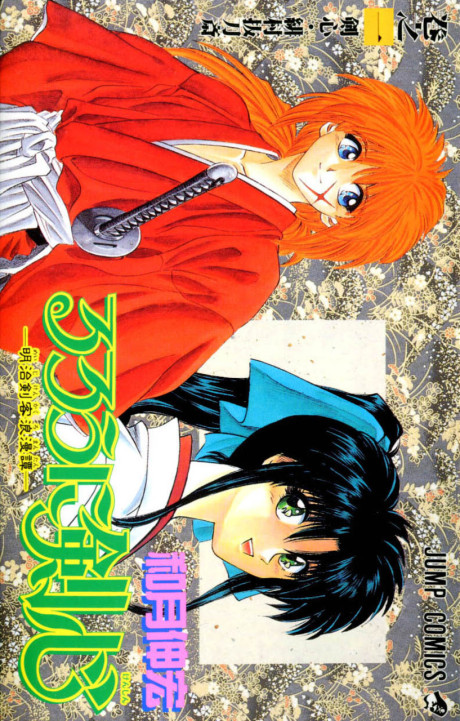
That one sword sets the rules. Kenshin has decided never to kill again, and every fight puts the decision on trial. His opponents are mostly the kind who only stop when they are dead, so each time he has to invent another way of not killing them. The special techniques of a shonen manga are engineered here to leave people alive.
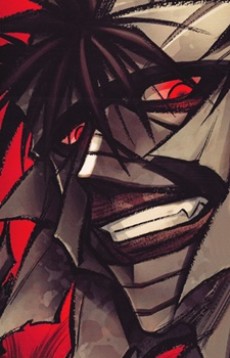
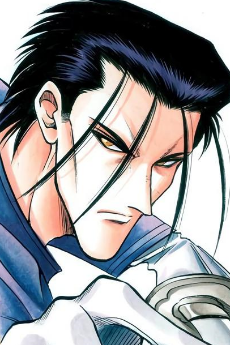
The historical setting is not decoration either. What happened to the winning side after the restoration, and where the losing side went, keep surfacing. Makoto Shishio is a man the new government used and discarded. Hajime Saito was Shinsengumi and is now a policeman. Because the antagonists' logic argues directly against Kenshin's vow, the Kyoto arc is still named as the peak of the series.
Nobuhiro Watsuki began serialisation in Weekly Shonen Jump on 5 April 1994 and finished on 21 September 1999, across 28 volumes. His assistants at the time included Eiichiro Oda, who went on to draw One Piece, and Hiroyuki Takei of Shaman King.
There have been several animated versions. The most recent is the 2023 adaptation by LIDENFILMS, which restarts from the beginning of the manga and ran 24 episodes from 7 July 2023.
The part of this thirty-year-old manga that has not aged is not the action but the question underneath it. How a person who has already killed is supposed to live afterwards is something the series holds onto for all 28 volumes.