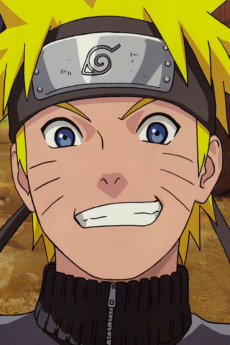
In chapter one Naruto is a child the village dislikes. The nine-tailed fox that attacked on the day he was born is sealed inside him, and the adults who know this have decided not to tell him. He is avoided without being given a reason, so he pulls pranks to be looked at.
Because of that opening, what Naruto wants is not strength but acknowledgement. Becoming Hokage means less "strongest in the village" than "the village will have to admit I exist." Seven hundred chapters later the goal is actually reached, which is why the series gets cited as a coming-of-age structure executed at extreme length.
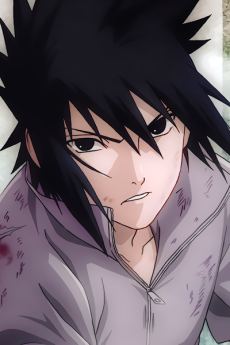
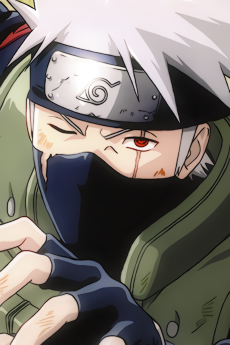
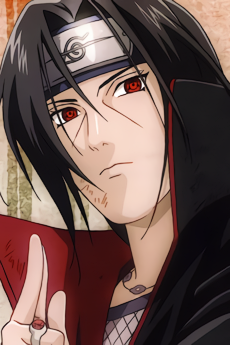
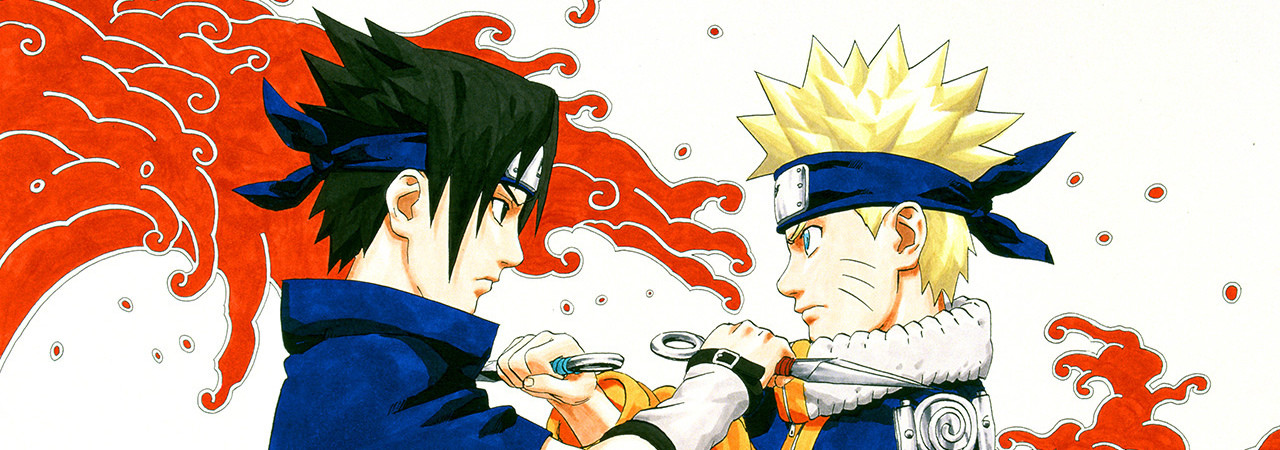
The supporting cast follows the same axis. Sasuke is a boy left with nothing but revenge after his clan is slaughtered. Kakashi is an adult who arrives late because of the people he lost. Itachi is a character whose whole meaning inverts near the end. Showing an enemy's past and only then staging the fight became standard here, and the habit spread widely through shonen manga afterwards.
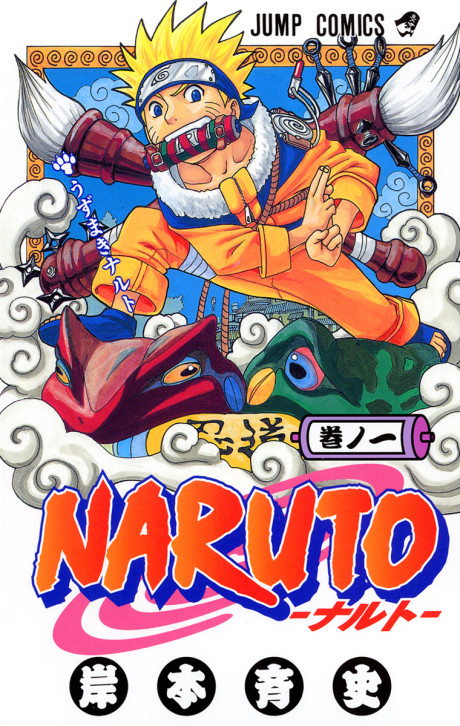
Serialisation ran in Weekly Shonen Jump from 21 September 1999 to 10 November 2014, ending at chapter 700. Fifteen years and 72 volumes, all written and drawn by Masashi Kishimoto.
Studio Pierrot animated it from 3 October 2002. The first run alone is 220 episodes, followed by Shippuden. Because original material was inserted along the way, readers coming from the manga are better off consulting one of the episode order guides.
The length is the obstacle for a new reader, but there is a clean place to pause. Everything up to the end of the Chunin Exams forms the first block, and by then you can see exactly how this manga handles its characters.