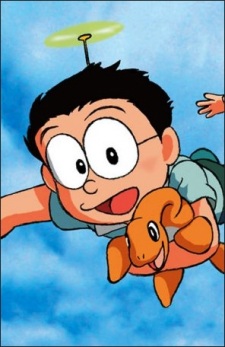
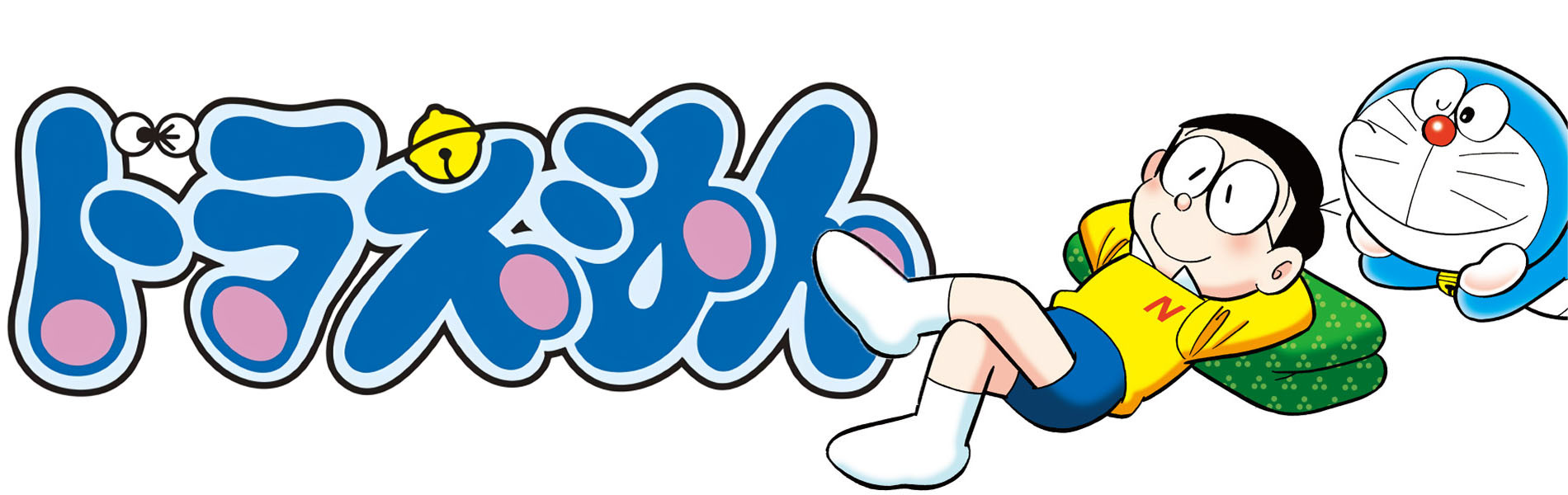
Nobita Nobi is bad at school, bad at sport, and fails at something every day. A robot cat from the twenty-second century called Doraemon comes out of his desk drawer, and the reason for the visit is unusual. Nobita's failures piled up until his descendants were buried in debt, so his great-great-grandson sent someone back to fix the ancestor.
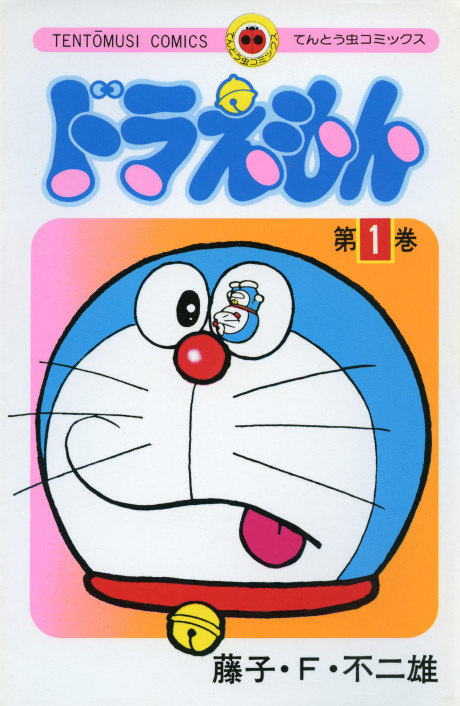
The shape of an episode is almost always the same. Nobita has a problem, Doraemon produces a gadget, Nobita overuses the gadget and ends up worse off than before. The gadgets do not solve problems; they magnify what a person actually wants. That is why children envy the gadgets and adults rereading the same pages notice the awkward expression in the final panel.
Fujiko F. Fujio started the strip in December 1969, running it simultaneously in several school-year magazines. The 821 episodes produced that way are collected in 45 Tentomushi Comics volumes from Shogakukan, and a complete boxed set of all 45 was released on 25 March 2025.
There is no reading order, which matters. Each episode runs a dozen-odd pages and does not continue into the next, so any volume opened at any page starts a story. That structure is a large part of why the manga has been passed down across generations in Japan.
For the anime, Shin-Ei Animation produced the long-running series that began in April 1979, and a new production with a new voice cast has run on TV Asahi since April 2005. Ask people of different ages about Doraemon and each will hear a different voice, which is a good measure of how long this has been going.
Forty-five volumes is not an intimidating number here. The episodes are short, and you can stop anywhere and pick it up again later.